
Arctic Drive Crafting and Recycling Guide: Scrap Loop
Turn empty boxes, broken parts and scrap into repair kits, cargo boxes and vehicle mods with a repeatable Arctic Drive recycling route.
Quick answer: Recycle empty boxes and broken parts into materials, spend the first scrap on a repair kit, then a cargo box, then vehicle mods. Keep the bench, recycler and generator in one shelter so every return trip turns junk into range instead of clutter.
Arctic Drive's crafting loop is not a side activity. It is how a truck that limped into a cabin leaves with a repaired radiator, a spare kit and a turbo that makes the next climb possible. The official page describes recycling empty boxes, broken parts and scrap into materials, then crafting upgrades and spare parts at a bench. The repair guide→ explains which part to fix first; this page explains how to pay for it.
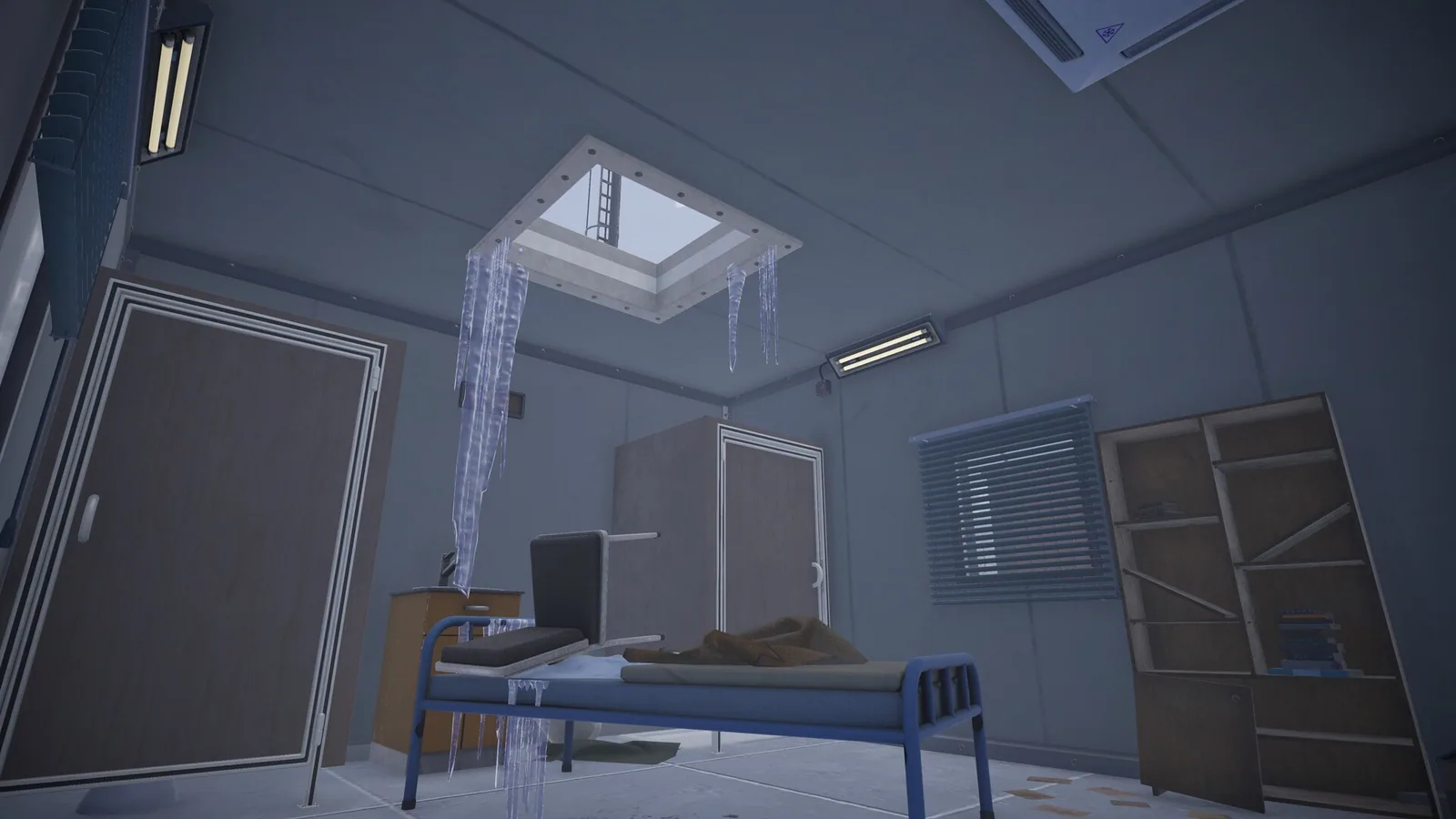
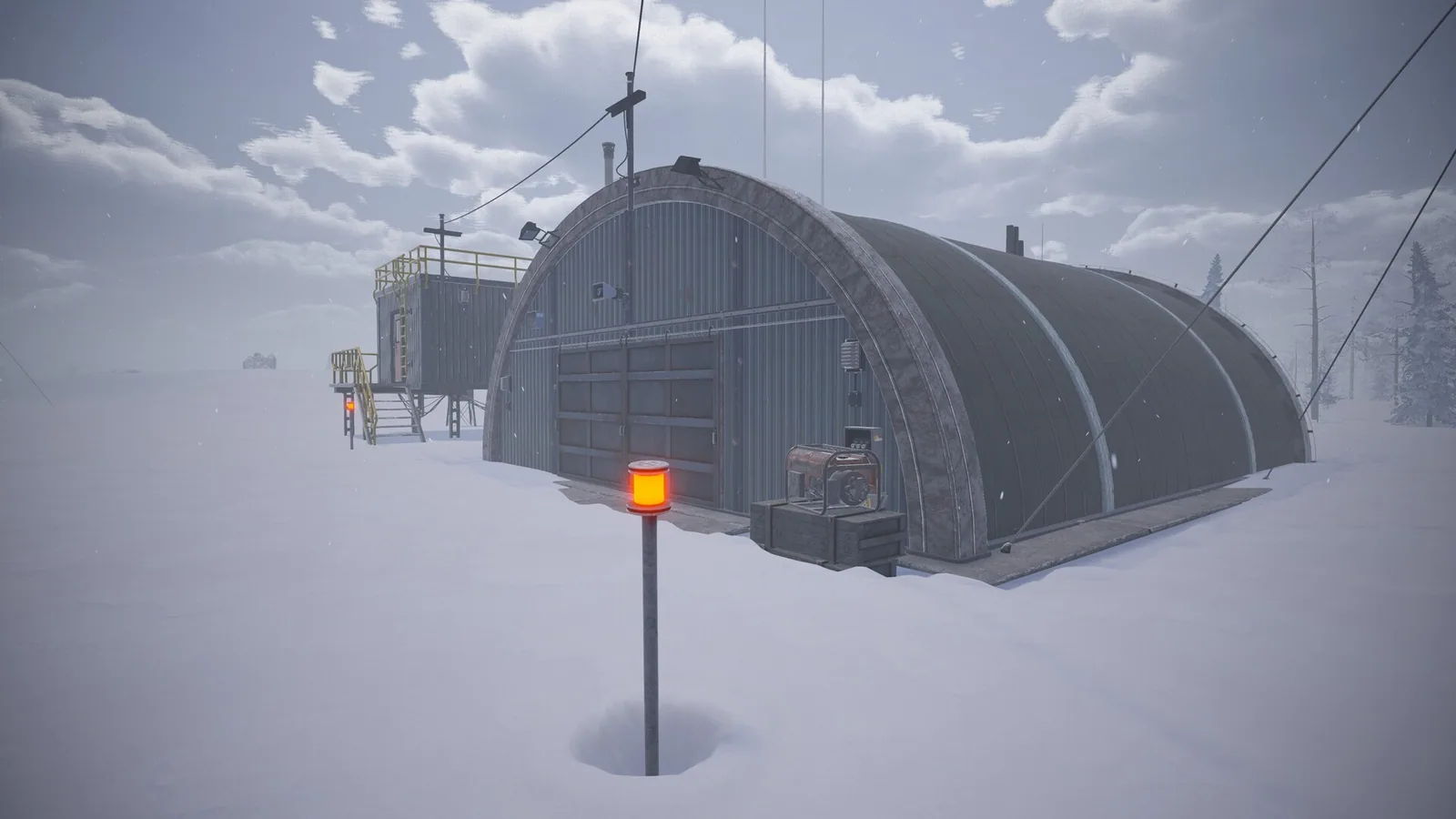
What is the scrap loop in Arctic Drive?
The loop has four stages:
Where you put the bench matters as much as what you craft, and the base vehicle guide→ compares the options.
- Collect empty boxes, broken parts and loose scrap from cabins, stations and wrecks.
- Recycle them at a recycler to produce materials.
- Research the blueprint you actually need at the crafting bench.
- Craft the kit, box or mod and install it on the truck.
The generator powers the shelter and the workshop. A bench in an unpowered shack still works for some recipes, but the recycler and lights are what make a night stop productive. Build the loop around one room and stop hoarding in the truck.
What should you recycle first?
Recycle in this order:
| Priority | Item | Why |
|---|---|---|
| 1 | Empty boxes and packaging | No mechanical use, bulky, and the recycler eats them |
| 2 | Broken parts you are not keeping as spares | They become materials instead of cargo weight |
| 3 | Duplicate low-tier tools | One working torch beats three broken ones |
| 4 | Decorations and trim | Zero survival value |
| 5 | Surplus scrap stacks | Keep a working reserve; recycle the rest only when the bench needs it |
Do not recycle your last repair kit, your only battery or a part that matches the truck. The recycler does not know what you need tomorrow.
How do blueprints work?
Blueprints unlock recipes. You research them at the bench, then craft the item with materials. The launch-window screenshot shows a tiered list with a Good Repair Kit at 100 scrap, an Awesome Repair Kit at 200 scrap, a cargo box at 35 and a flare gun at 60. Those are the prices visible in that build; check your own bench before planning a shopping list.
Research has a cost and a time component, so do not start a long research project at dusk if you need the kit before morning. Research the repair kit first, then the cargo box, then the mods you will actually install.
A sandbox start without a repair kit recipe can leave you unable to fix the first serious breakdown. If you are experimenting, research the kit before you leave the starting area.
What should you craft first?
| Craft | When | Why it comes first |
|---|---|---|
| Good Repair Kit | Before the first long leg | Turns a stranded truck into a drivable one |
| Cargo box | After the first repair kit | Organizes the bed and protects small parts |
| Spare wheel or tire | Before leaving the main road | The cheapest fix for the most common stop |
| Cabin heater mod | Before the first cold night | Heat is a survival stat, not a comfort upgrade |
| Extra fuel tank | After you know your route | Range helps only if you can afford the weight |
| Turbocharger | Last | More power does not fix bad brakes or a bent frame |
Vehicle mods come in three levels. A level-one heater or extra tank is a reasonable mid-game target; a level-three turbo on a damaged engine is how you turn a repair bill into a new run.
Where should the crafting bench live?
Put it in a fixed shelter with a generator, not in the truck. A mobile bench sounds efficient until you need to craft in a blizzard and the trailer is buried. The best base has:
- a generator with fuel,
- a recycler within arm's reach,
- a crafting bench with light,
- a dry room for the night,
- and a parking spot where the truck can leave without reversing into a drift.
If you are running a mobile base, keep the bench in the trailer but do the recycling at fixed stops. The trailer is for hauling the output, not for running a factory in a whiteout.
How do you avoid a crafting soft lock?
Keep a minimum kit in the truck at all times: one repair kit, one battery, one spare wheel, one jerrycan, one torch. That is your insurance against a bad spawn or a recipe you have not researched. In co-op, the host can enable recipe sharing so the crew does not duplicate research.
The other guard is a scrap reserve. Do not spend every material on a cosmetic upgrade before a long route. A 200-scrap repair kit is cheaper than abandoning a truck full of cargo because you spent the scrap on a bull bar.
FAQ
Can you craft while driving?
No. Crafting happens at a bench. Plan your crafting stops around shelter, not around the middle of a fuel leg.
Does recycling give different materials per item?
Yes. Different items break down into different materials, which is why emptying a mixed box of junk is worth more than hauling it. Check the recycler output before committing a stack.
Should I craft or loot repair kits?
Loot them when you find them, craft them when you can. A found kit is free range; a crafted kit is insurance. Keep at least one of each before a long run.
Sources and version notes
Official source: Arctic Drive on Steam ↗ — recycle empty boxes, broken parts and scrap into materials, then craft upgrades and spare parts.
- Arctic Drive official site ↗ — crafting and base-building overview.
- Steam launch news and patch notes ↗ — v0.23.0 car mods and v0.23.2 crafting UI fixes.
- Steam store page ↗ — current feature list.