
Arctic Drive Hauling and Fuel Guide: Load vs Range
How to distribute cargo, estimate real fuel range per jerrycan, and decide when dropping a box is cheaper than dragging it up the next hill.
Quick answer: Put dense heavy items over the rear axle, keep the back seat for light boxes, and treat a 20 L jerrycan as 12 km empty or 7 km loaded. If your effective range is less than the next stop plus 15 km, drop cargo before you climb, not after you stall.
Arctic Drive makes weight visible in the worst way: the truck still starts, still rolls, and then drinks the tank twice as fast while the rear end walks through a bend. The official store page says weight burns fuel faster and tight turns can spill the haul, so the load plan is part of the route plan. Use the fuel range calculator after you read this, and keep the first 20 minutes guide→ open while you pack.

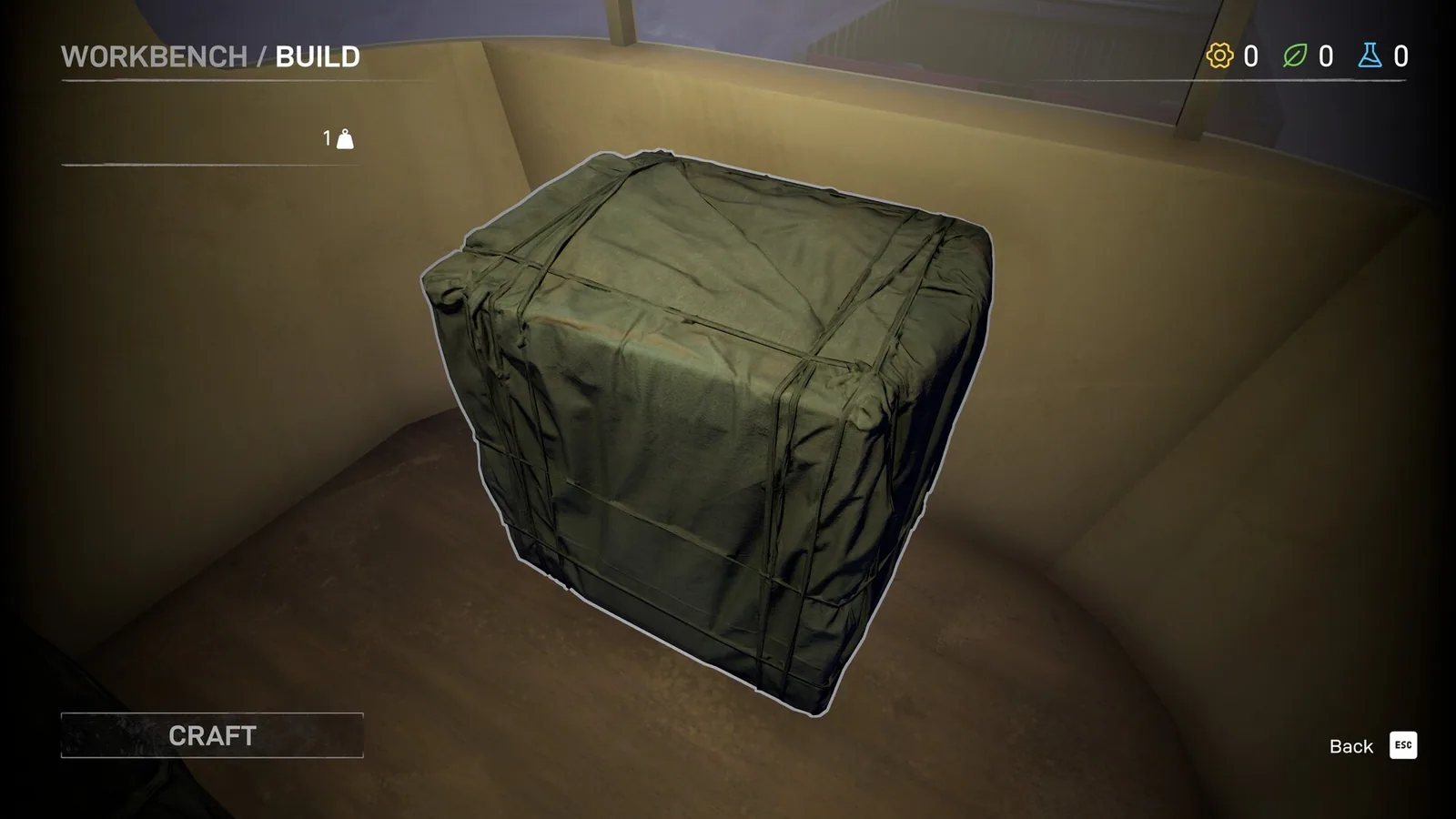
What is the best way to distribute weight?
Think in three zones: floor, seat and trailer. The floor over the rear axle carries dense heavy items because the suspension and tires are designed for it. The back seat carries light, fragile or frequently used items. The trailer carries bulky cargo that you can unload first at a base.
Where the load actually sits, and whether a trailer earns its drag, is covered in the base vehicle guide→.
| Zone | Load | Avoid |
|---|---|---|
| Bed or trunk floor | Jerrycans, toolboxes, engine parts, dense scrap | Stacking heavy boxes above the bed rails |
| Back seat | Food, clothes, repair kits, light boxes | Anything that can slide into the driver |
| Trailer | Bulky cargo, spare parts, base supplies | Your only repair kit or your only fuel can |
| Roof or hood | Nothing | Loose cargo that blocks visibility |
How far does one jerrycan actually go?
The engine inspection panel in the launch-window build lists the Old Car Engine at 0.6 km/L. That is the clean baseline: 20 L equals about 12 km.
| Condition | Planning multiplier | 20 L jerrycan range |
|---|---|---|
| Empty truck, main road | 1.00 | 12 km |
| Normal load, mixed road | 0.85 | 10 km |
| Heavy load, deep snow | 0.70 | 8 km |
| Trailer, hills, storm | 0.60 | 7 km |
These multipliers are planning estimates, not game constants. They are conservative because detours and whiteouts make a 25 km route longer. The calculator lets you change every number.
The road network was extended to a 25 km maximum travel distance in v0.13.8. That is a diameter, not a guarantee that a station sits at the end of every leg. Carry enough to reach the next known stop and back to the main road.
When should you drop a box instead of hauling it?
Drop cargo when any one of these is true:
- Range margin is under 15 km. Subtract your effective range from the distance to the next confirmed fuel stop. If the answer is negative, the box is already costing you the run.
- The truck cannot hold a climb. If you are downshifting, losing speed and smelling a slipping clutch, the load is too heavy for the grade. Take the densest low-value item out first.
- The trailer starts steering the truck. Sway on a descent is a warning, not a style. Stop, unload the top layer, and redistribute before the next bend.
- Repair cost exceeds cargo value. A box of decorations is not worth a radiator, a tire and a 100-scrap repair kit.
Should you tow a trailer or use the bed?
Use the bed for the first run. A trailer adds a second cargo body, a hitch, a ramp and a set of shelves, and it changes how the truck behaves on every bend. The v0.23.0 patch made trailers easier to attach, more stable when towed and able to be pulled by hand from the hitch, but it did not make them weightless.
| Setup | Best for | Cost |
|---|---|---|
| Bed only | First 25 km, unknown routes, solo | Least fuel, least risk |
| Bed plus trailer | Base resupply, known road, two players | More capacity, more sway, more fuel |
| Trailer as mobile base | Long sessions, no fixed garage | Highest setup cost, slowest loading |
A trailer is worth it when you are moving a base, not when you are making a fuel run. Load the cargo you will not touch for a day in the trailer; keep the day bag, repair kit and one jerrycan in the truck.
What does a 25 km fuel plan look like?
Work backwards from the stop, not forwards from the tank.
- 25 km at 0.6 km/L needs about 42 L of fuel in perfect conditions.
- Add a 15 percent reserve for detours and idle time: about 48 L.
- With a normal load, divide by 0.85: about 57 L.
- That is roughly three 20 L jerrycans, or two cans plus a half tank.
If you do not have that, shorten the leg. A 15 km out-and-back beats a 25 km one-way trip with no reserve. The calculator rounds cans up.
How do you stop cargo spilling on bends?
Slow down before the bend, not in it. Brake in a straight line, release the brake at turn-in, and let the truck coast through with a light throttle. A tight turn at speed is what throws boxes off the seat and jerrycans out of the bed.
- Put jerrycans upright in a corner of the trunk, not loose on the floor.
- Close the tailgate and check it after every hard bump.
- Do not stack above the bed rails; the first bump will rearrange it.
- If a trailer is attached, take bends one gear lower than you would solo.
FAQ
Does the game model weight per item?
Yes. Each item has weight, and the truck's handling and fuel burn react to the total load.
Can a passenger help load?
Yes. Passengers can load cargo and spot the trailer while you reverse.
What is the best first upgrade for hauling?
A repair kit and a spare tire come before any cargo upgrade. A bigger haul means nothing if the truck cannot finish the route.
Sources and version notes
Official source: Arctic Drive on Steam ↗ — "Weight burns fuel faster, and tight turns can spill your haul."
- Arctic Drive official site ↗ — feature overview, including the physical cargo system.
- Steam launch news and patch notes ↗ — v0.13.8 travel distance and v0.23.0 trailer changes.
- Steam store page ↗ — current build and system requirements.